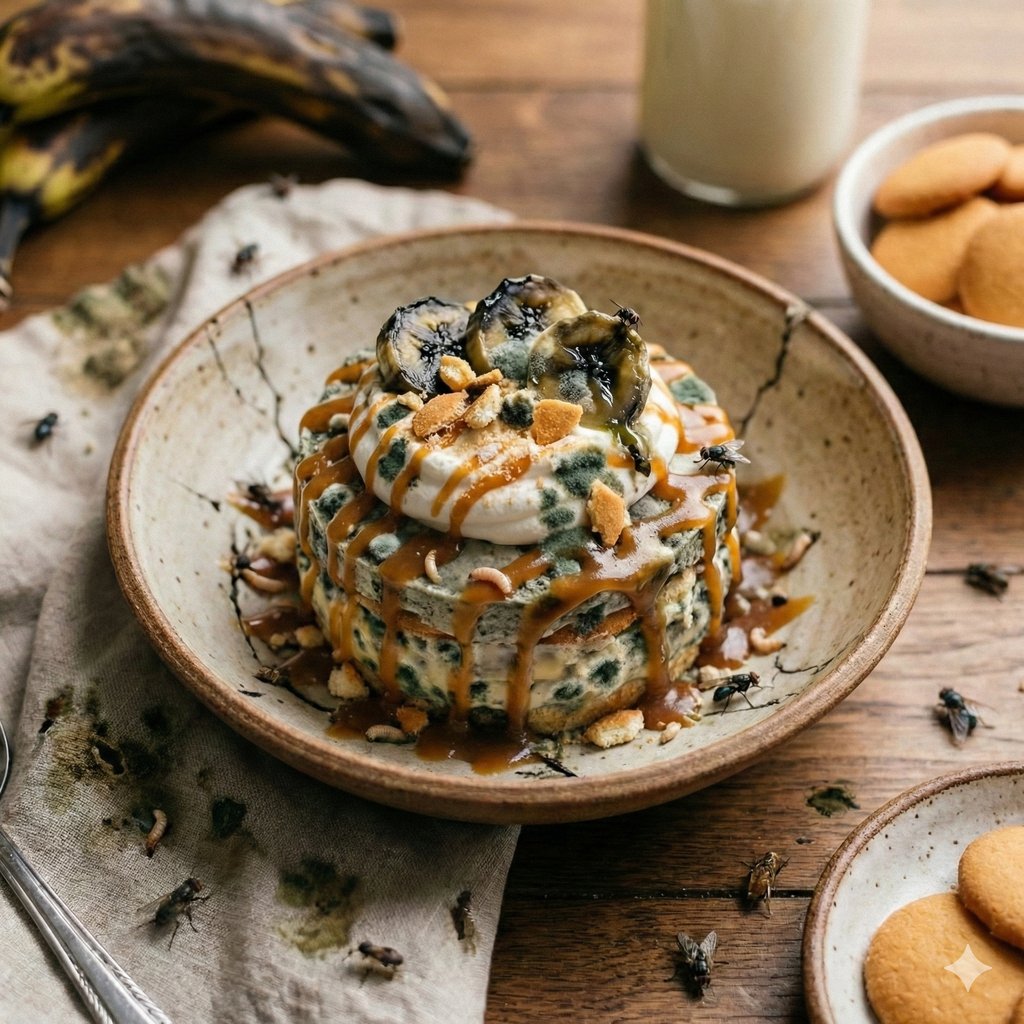
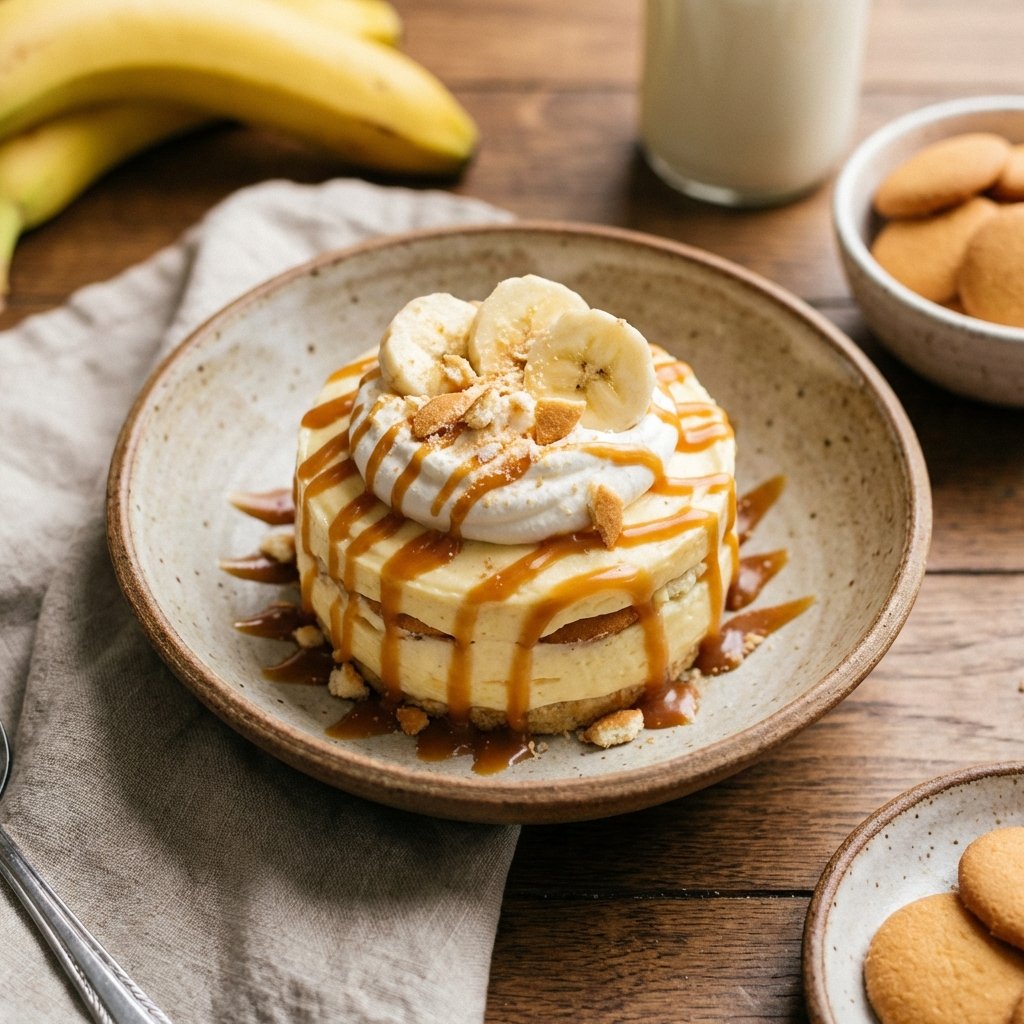
Let’s dispense with the pleasantries and the nostalgia. To categorize Banana Pudding as a fruit-based dessert is a marketing fabrication that borders on negligence. When you peel back the layers of this Southern 'comfort' food, you are not finding a wholesome delivery system for potassium or fiber; you are uncovering a hyper-palatable matrix of refined carbohydrates, synthetic thickeners, and excessive saturated fats designed to hijack your satiety signals. The presence of the banana is merely a textural garnish in a bowl of metabolic chaos. A standard serving of this dish—often exceeding 300 grams in casual dining settings—can easily contain upwards of 800 calories, 50 grams of fat, and a staggering 70 grams of sugar. To put that into perspective, you are consuming nearly three times the American Heart Association’s recommended daily limit for added sugars in a single sitting. The foundation of this dish usually relies on vanilla wafers, which are nutritionally void disks of enriched flour, soybean oil, and high-fructose corn syrup. When these dissolve into the pudding, they don't just become soft; they break down into a rapidly absorbable glucose sludge that spikes your blood sugar with the ferocity of a diabetic nightmare. 📉
The deception continues with the binding agent: the pudding itself. Rarely is this made from scratch with pastured eggs and vanilla beans. In the vast majority of commercial and home recipes, the 'pudding' is derived from a box of instant mix and a can of sweetened condensed milk. Let’s analyze the chemistry of instant vanilla pudding mix. It is primarily sugar, modified corn starch, and a cocktail of phosphates—specifically Tetrasodium Pyrophosphate and Disodium Phosphate. These additives are used to artificially texture the sludge, but excessive phosphate intake has been linked to accelerated aging and vascular calcification in individuals with compromised renal function. Furthermore, the yellow hue of your pudding does not come from egg yolks or bananas; it comes from Yellow #5 (Tartrazine) and Yellow #6. These azo dyes require a warning label in the European Union due to their link to hyperactivity in children, yet here, they are spooned into your mouth under the guise of 'traditional' dessert. You are not eating food; you are eating an industrial chemistry experiment that has been dyed yellow to simulate nutrition.
We must also address the lipid profile of this dish, which is nothing short of arterial assault. The recipe almost always calls for sweetened condensed milk and heavy whipping cream. Sweetened condensed milk is a product where water is removed from cow's milk and replaced with massive amounts of sucrose, resulting in a product that is approximately 55% sugar by weight. When you fold in heavy cream (36-40% fat), you create a caloric density that promotes rapid lipogenesis (fat storage). This combination provides a high dose of palmitic acid, a saturated fatty acid that, in excess, is associated with increased LDL cholesterol and the accumulation of visceral fat around the liver. The synergy of high sugar and high saturated fat is the 'Holy Grail' of metabolic syndrome; the sugar spikes insulin, which opens the doors of your fat cells, and the heavy cream rushes in to fill them. It is a biological trap. Additionally, if the vanilla wafers used contain partially hydrogenated oils (as some cheaper generic brands do), you are introducing trans fats into your system, for which there is no safe consumption level. 🚫
Finally, let's look at the physiological aftermath of consuming a bowl of Banana Pudding. The glycemic load is astronomical. Within 30 minutes of consumption, your blood glucose levels skyrocket, forcing your pancreas to dump insulin into your bloodstream. This is followed inevitably by reactive hypoglycemia—the 'sugar crash'—which leaves you lethargic, foggy, and ironically, craving more sugar. This cycle of spiking and crashing is the precursor to insulin resistance and Type 2 diabetes. The bananas themselves, often touted as the healthy component, are usually overripe to maximize sweetness, meaning their starch has fully converted to simple sugars, further compounding the glycemic impact. There is no redeeming nutritional value here. The trace amounts of micronutrients provided by the banana slices are rendered irrelevant by the inflammatory cascade triggered by the refined sugars and industrial oils. If you value your metabolic flexibility and cellular health, this dish should be viewed not as a treat, but as a biohazard.
📌 Truth Summary
- Glycemic Catastrophe: A single serving can contain over 70g of sugar, causing massive insulin spikes and promoting long-term insulin resistance.
- Chemical Cocktail: Instant pudding mixes rely on Yellow #5 and #6 (petrochemical dyes) and phosphate additives rather than real ingredients.
- Lipid Toxicity: The combination of heavy cream and condensed milk creates a saturated fat bomb that accelerates visceral fat storage and LDL cholesterol elevation.
- Nutritional Void: The 'fruit' content is negligible; the dish is primarily refined flour, high fructose corn syrup, and industrial thickeners.