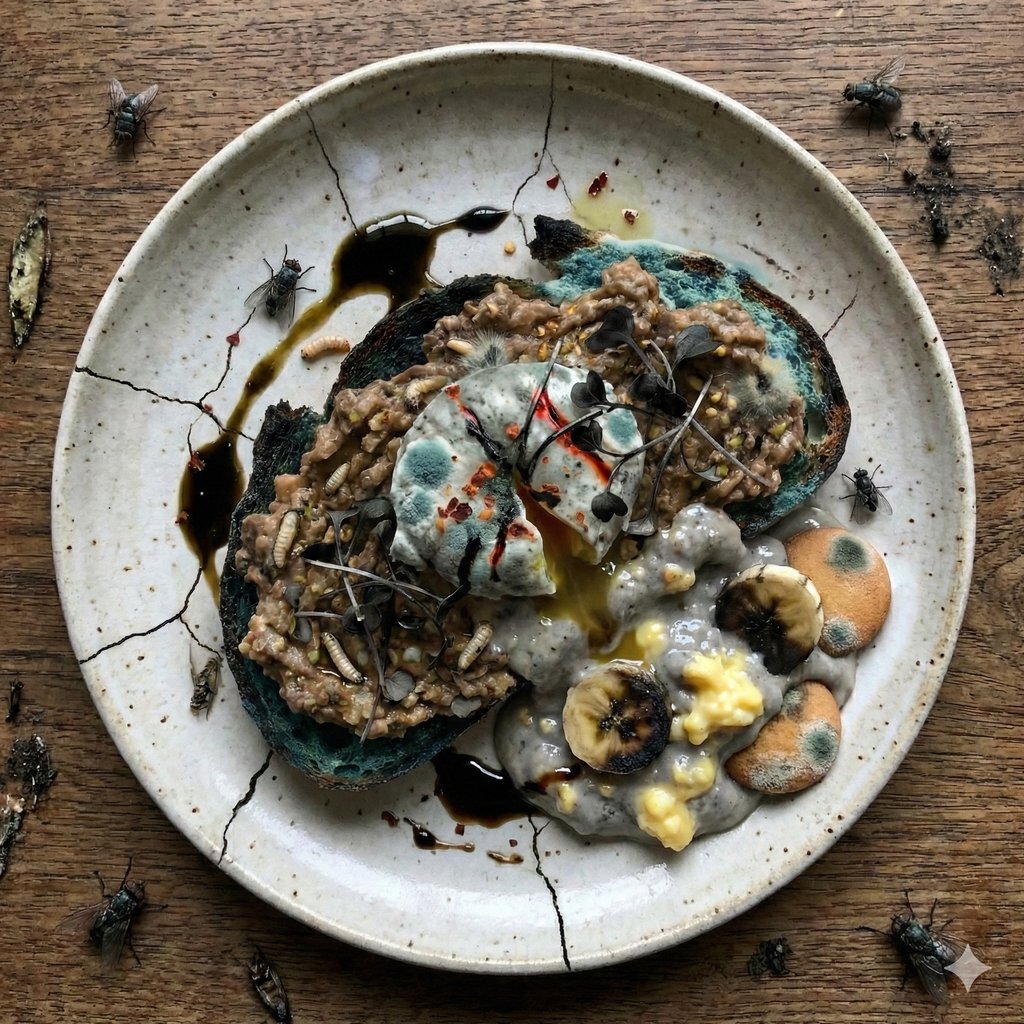
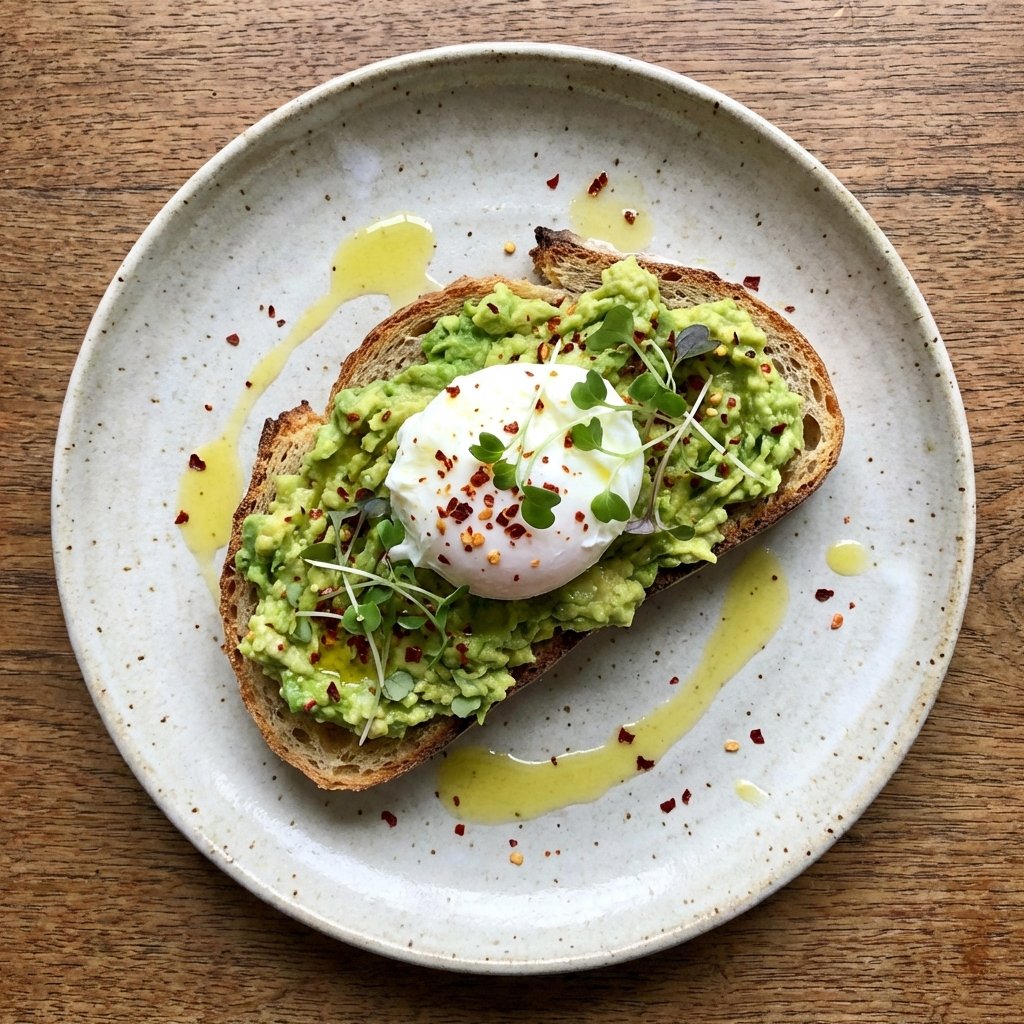
Let’s dismantle the crown jewel of the wellness industry’s marketing fabrication: Avocado Toast. You scroll through Instagram, seeing influencers parade this dish as the pinnacle of clean eating, but structurally, you are looking at a lipid bomb served on a charred slab of refined glucose. Let's look at the numbers, not the aesthetics. A single medium Hass avocado contains approximately 250 to 320 calories and roughly 29 grams of fat. While apologists will scream 'monounsaturated fats,' your body treats caloric surplus with cold indifference. In a typical cafe setting, they aren't using a quarter of an avocado; they are using the whole fruit, often mashed with olive oil—adding another 120 calories per tablespoon of pure fat—before piling it onto thick-cut artisan bread. You are essentially consuming a meal that is 70% fat by caloric volume. If you are sedentary, which statistically most of you are, this massive influx of dietary fat combined with the high-glycemic carbohydrates from the bread creates the perfect metabolic storm for adipose tissue storage. You aren't fueling your body; you are simply overloading your lipid profile before noon. 📉
Now, let's discuss the vessel for this fat delivery: the toast itself. We need to talk about the Maillard reaction and acrylamide. When starchy foods like bread are heated to high temperatures (above 120°C/248°F) to achieve that 'perfect crunch,' sugars and amino acids react to form acrylamide. This is a chemical classified by the International Agency for Research on Cancer (IARC) as a Group 2A probable human carcinogen. The darker the toast—the 'rusticity' you pay extra for—the higher the concentration of this neurotoxic compound. Furthermore, unless you are baking the bread yourself using heritage grains and a 48-hour fermentation process, you are eating highly processed flour. Commercial breads, even the 'multigrain' varieties, are loaded with datem, calcium propionate, and high-fructose corn syrup to extend shelf life and enhance browning. This results in a massive spike in blood glucose, triggering an aggressive insulin response that shuttles all that avocado fat directly into storage. It is a biochemical trap: high fats induce insulin resistance, and high carbs demand insulin release. You are paying $18 to confuse your pancreas.
We must also address the sodium and additive profile that accompanies the 'elevated' versions of this dish. Avocado on its own is bland, necessitating significant seasoning. A standard cafe serving of avocado toast is rarely just bread and fruit; it is topped with feta cheese, bacon crumbles, smoked salmon, or a poached egg. A modest sprinkle of feta adds 300-400mg of sodium instantly. Add a slice of sourdough (400mg sodium) and a pinch of flaky sea salt (finishing salts are deceptively potent), and you are easily consuming 1,200mg to 1,500mg of sodium in a single sitting—over half the American Heart Association's recommended daily limit. This induces water retention and increases blood pressure, straining the cardiovascular system. Additionally, many cafes drizzle balsamic glaze over the top for 'contrast.' Balsamic glaze is essentially a sugar syrup reduction, often containing caramel color (Class IV), which carries its own carcinogenic risks. You are eating a savory dessert, not a health food. 🧂
Finally, consider the nutrient bioavailability and the 'Health Halo' effect. By consuming grains high in phytates (antinutrients found in wheat), you are actively inhibiting your body's ability to absorb the few minerals present in the avocado, such as zinc and iron. The fiber content in the avocado is negligible compared to the inflammatory load of the processed wheat and the caloric density of the meal. The psychological danger here is the 'Health Halo'—because you believe you ate a 'healthy' breakfast, you are statistically more likely to justify poor dietary choices later in the day. From a thermodynamic and biochemical perspective, a plate of eggs and spinach offers superior satiety, protein synthesis, and micronutrient density for a fraction of the caloric cost. Avocado toast is not a nutritional strategy; it is a marketing success story built on the ignorance of macronutrient interaction. Stop eating it.
📌 Truth Summary
- Caloric Surplus: A single serving frequently exceeds 800 calories with over 50g of fat, promoting rapid adipose storage in sedentary adults.
- Carcinogenic Load: Toasting bread produces acrylamide, a Group 2A carcinogen formed when starch undergoes high-heat thermal processing.
- Insulin & Inflammation: High-glycemic refined flour spikes blood sugar, while combined high-fat intake impairs insulin sensitivity.
- Sodium Toxicity: Added toppings like feta, processed bread, and finishing salts often push sodium content beyond 1,500mg per serving.